




See what 130 teachers say about how to track your child’s progress in English and how to set realistic expectations for learning and fluency.

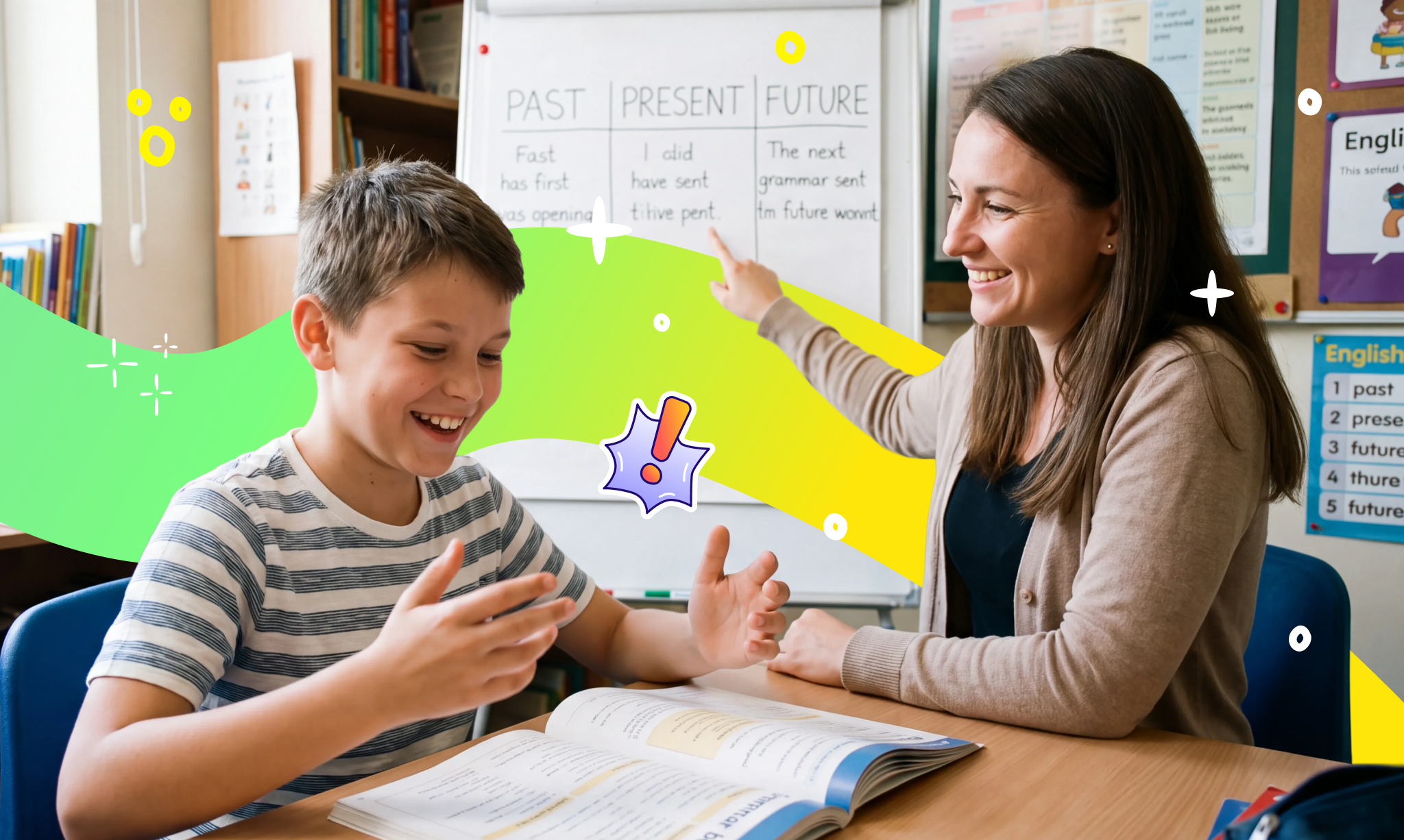
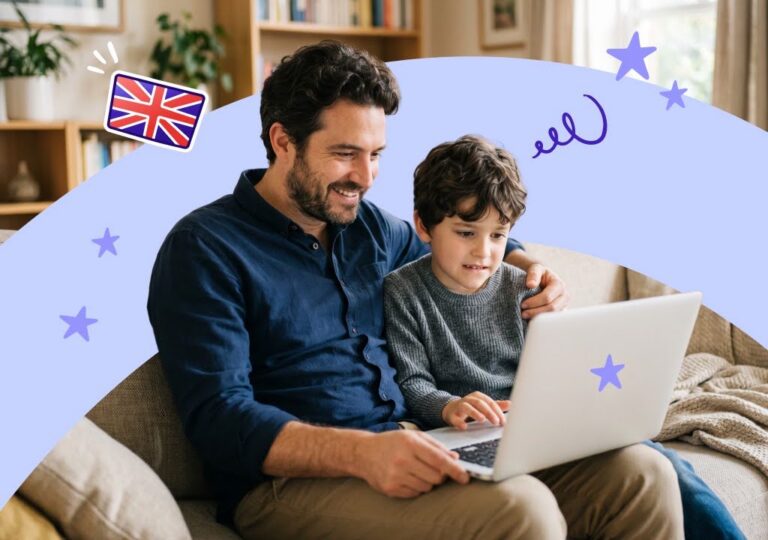
While you may have the best intentions, it’s generally better to leave English teaching to a qualified instructor. Evidence suggests that parents tend to overcorrect mistakes and put too many expectations on their children, which can make them feel nervous and afraid to speak, causing stress and frustration. Teachers, on the other hand, are known for breaking the ice, correcting mistakes in ways that build confidence and introducing grammar and new vocabulary as part of a fun game. At home, you can complement your child’s progress by making English part of everyday life through stories, games, songs, and conversation, without putting pressure on your child to get everything right.
These are some of the findings from a Novakid survey that asked 347 online ESL teachers to identify the most common mistake parents make when helping their children learn English. Their answers paint a clear picture of how parents can hinder their language learning and what they can do to support their kids.

In a completely globalized and AI-cluttered world, it’s only natural that, as a parent of a 21st-century child, you want to empower them with every tool possible. This includes the gift of speaking English, a lingua franca that can open countless doors on both a personal and professional level.
Maybe you make the effort to speak English to your child at home, put on some of your favorite music in English or watch English cartoons and videos. If this is the case, it is likely that you have signed them up for English lessons and are helping them with their homework. While these are all noble intentions, it is possible that, counterintuitively, you are inhibiting your child from speaking the language. Let’s see why!
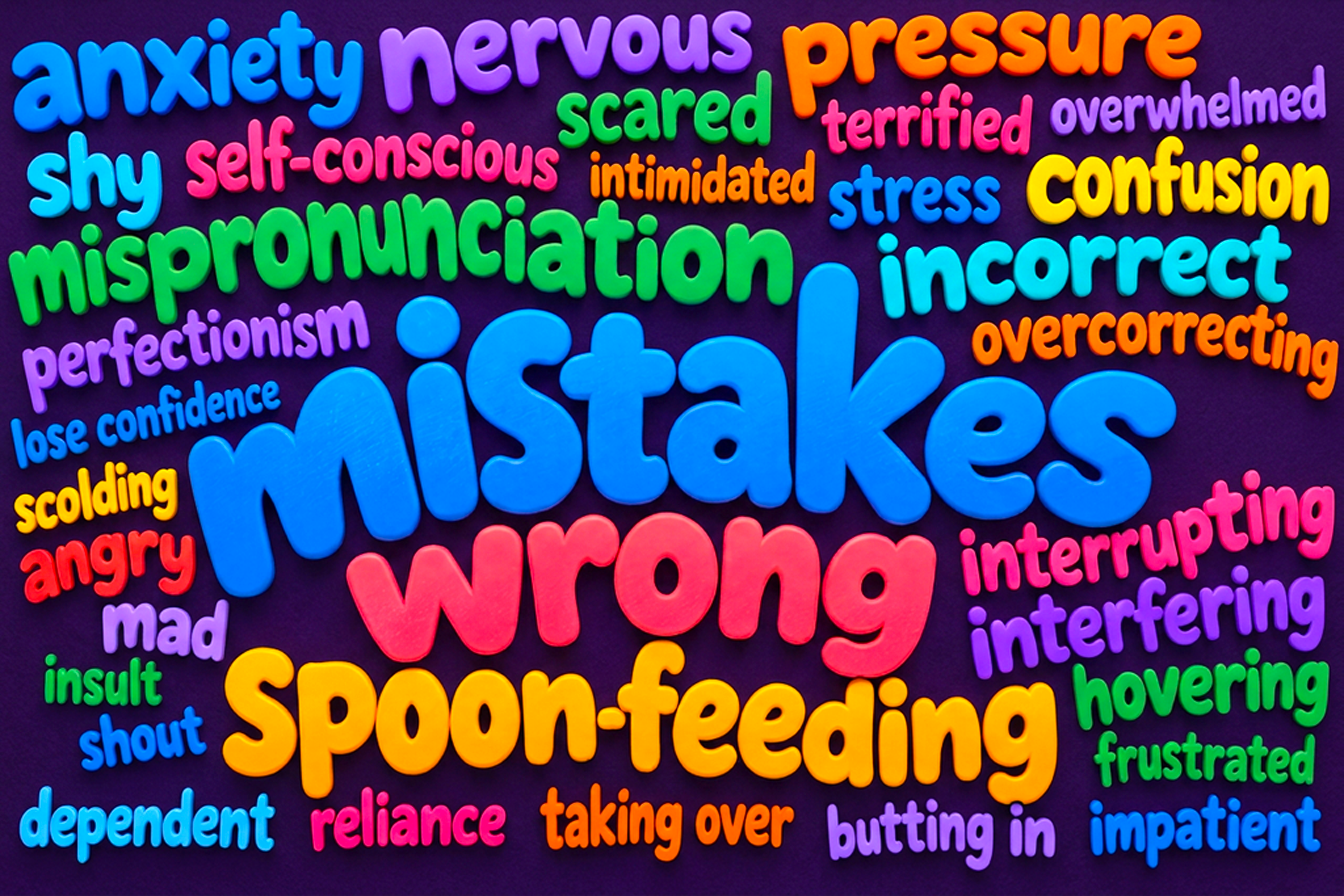
Evidence suggests the single most common mistake parents make when helping their child with English at home has to do with “overparenting.” According to the Novakid survey, a whopping 84% of teachers described behaviors that could be sorted under that category. Below are the findings from the feedback collected as part of an exploratory, open-ended question:

Before diving into the attitudes and behaviors that can hinder children’s language learning process, let’s explore the concept of overparenting. The Cambridge Dictionary defines it as “too much involvement by parents in the lives of their children, so that they try to help with or control everything that happens to the child.”
Whether it takes the form of feeding children the answers, interrupting them to correct pronunciation or minor grammar mistakes, or not giving them enough time to express themselves, this parental over-engagement “can inhibit the development of confidence, competence, and independence”, according to clinical psychologist and Ph.D. Daniel S. Lobel.
As a matter of fact, the feedback Novakid gathered from teachers reflects these same patterns. As one of our teachers explains, “When parents constantly stop to correct every minor grammar or pronunciation error, it causes language anxiety and makes kids shut down”. Likewise, another instructor points out that “answering for the child too quickly can reduce opportunities for the student to think, recall vocabulary, make mistakes, and build confidence independently.”

While overparenting can undermine the confidence and autonomy needed to learn a new language, there are multiple things you can do as a parent to spark your child’s interest in English and help them develop their language skills.
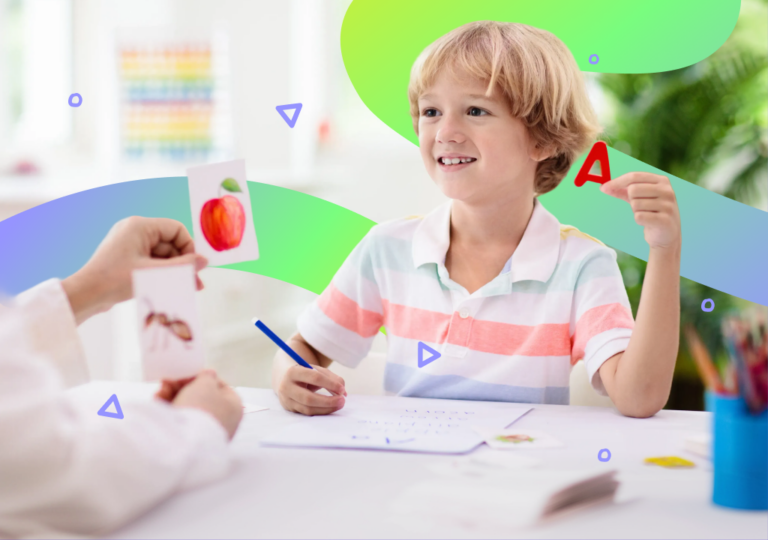
A great starting point is finding a good English as a Second Language (ESL) teacher. ESL teachers are qualified educators who are specialized in “creating a safe, low-pressure speaking environment where mistakes are treated as a normal part of learning,” highlights one of our Novakid instructors. Children are encouraged to build a strong rapport with their teacher, lower their guard and feel comfortable expressing themselves. In fact, sometimes teachers make mistakes on purpose in class as part of their approach.
There is a wide range of actions you can take to make your kid feel confident and comfortable with their English, which is the very foundation for language development. Here are some simple, practical ways to encourage your child to learn English:
“The constant pressure to be perfect completely crushes a child’s confidence. Instead of learning to think in English, kids become terrified of making a mistake,” explains one of Novakid’s teachers. Indeed, language acquisition is a journey made up of stepping stones and it requires room to stumble.
That is why it is so important for children to be able to make mistakes and not to feel judged or self-conscious when speaking, especially by their parents, whom they look up to and want to make proud. In fact, “when parents step back and let them speak freely, fluency follows naturally”, says the same teacher.
2) Make it a fun habit
You can encourage your child to speak, listen, read, and have fun with the language by creating opportunities to communicate, but it’s important to set some ground rules so English practice doesn’t turn into a lesson or a test.
One simple way to do this is to set aside 30 minutes for English each day in a dedicated place, so that you can both associate that room with the language practice. That designated spot will remind you not to correct your child’s mistakes so that you both can enjoy the moment without the pressure of getting everything right.
That way, you can make English part of your daily life, have some quality time with your kid and expose them to the language little by little.
3) Show, don’t tell
If you carve out some time to talk to your child in English, let them finish speaking before offering corrections. This way, you can gently model the correct sentence.
For example, if your child says, “Yesterday I go park,” instead of immediately saying “Wrong. I went to the park,” you can respond naturally: “Oh, you went to the park yesterday?” This approach will help your child absorb the correct structure without losing confidence and motivation.
While it’s great that you want to help your kid with their English, the evidence suggests you might be doing more harm than good. It’s better to leave language learning to a teacher.
In fact, Novakid English School can help. Its online lessons combine age-appropriate activities with real conversations, giving children the opportunity to practice English in an engaging, supportive environment.
Combining daily practice at home with regular lessons is a great way to make progress and reinforce language and communication skills. You can sign up for a free online English lesson here.
Sources:
Lobel, D. S. (2022). Overparenting: Too much of a good thing. Psychology Today. https://www.psychologytoday.com/us/blog/my-side-of-the-couch/202207/overparenting-too-much-of-a-good-thing
Cambridge Dictionary. Overparenting. https://dictionary.cambridge.org/es/diccionario/ingles/overparenting


See what 130 teachers say about how to track your child’s progress in English and how to set realistic expectations for learning and fluency.
Is there a best age to learn conversational English? See what Novakid teachers said and what research reveals about age, exposure and children’s progress.
Discover 10 techniques to reduce nervousness when kids speak English, based on insights from 347 Novakid English teachers and research on language anxiety.
Discover how AI is transforming English learning. Explore the benefits of 24/7 tutoring, the risks of cognitive atrophy, and the future of education.
Discover how the TPR method enhances online English learning for children. Movement, motivation and better results – even through a screen.
Explore an English learning formula through a survey of 300+ Novakid teachers and original studies on language and memory that might answer the question “Is English an easy language to learn?”.
We and our partners use cookies to improve your experience, personalize content and ads, and analyze traffic. By clicking 'Accept all', you agree to our use of cookies in accordance with the Cookie Policy.
You can personalize your choices by clicking on 'Cookie settings'.
We use four types of cookies on our website. You can learn more about cookies and how we use them here: Cookie Policy
Strictly necessary
Advertising
Analytics
Personalization