



This Novakid article reveals why some children learn English faster than others — from personalised attention, to confidence, consistency, and cognitive style.


“How can I help my child improve their English?” This is a question many parents ask their child’s English teacher. As a parent, you want to see your child make progress, but how much extra practice do they really need at home?
We asked 347 Novakid teachers in different countries how much extra English practice per week they think children need to see a noticeable improvement. Most teachers believe that just a few minutes of extra practice each day can make a difference. What matters is giving children more opportunities to experience English in fun, natural ways as part of their everyday lives, beyond their lessons.
Let’s see what the teachers recommend.

To answer parents’ questions, we asked our teachers a straightforward question: “How much extra English practice per week do children need to see a noticeable improvement?”
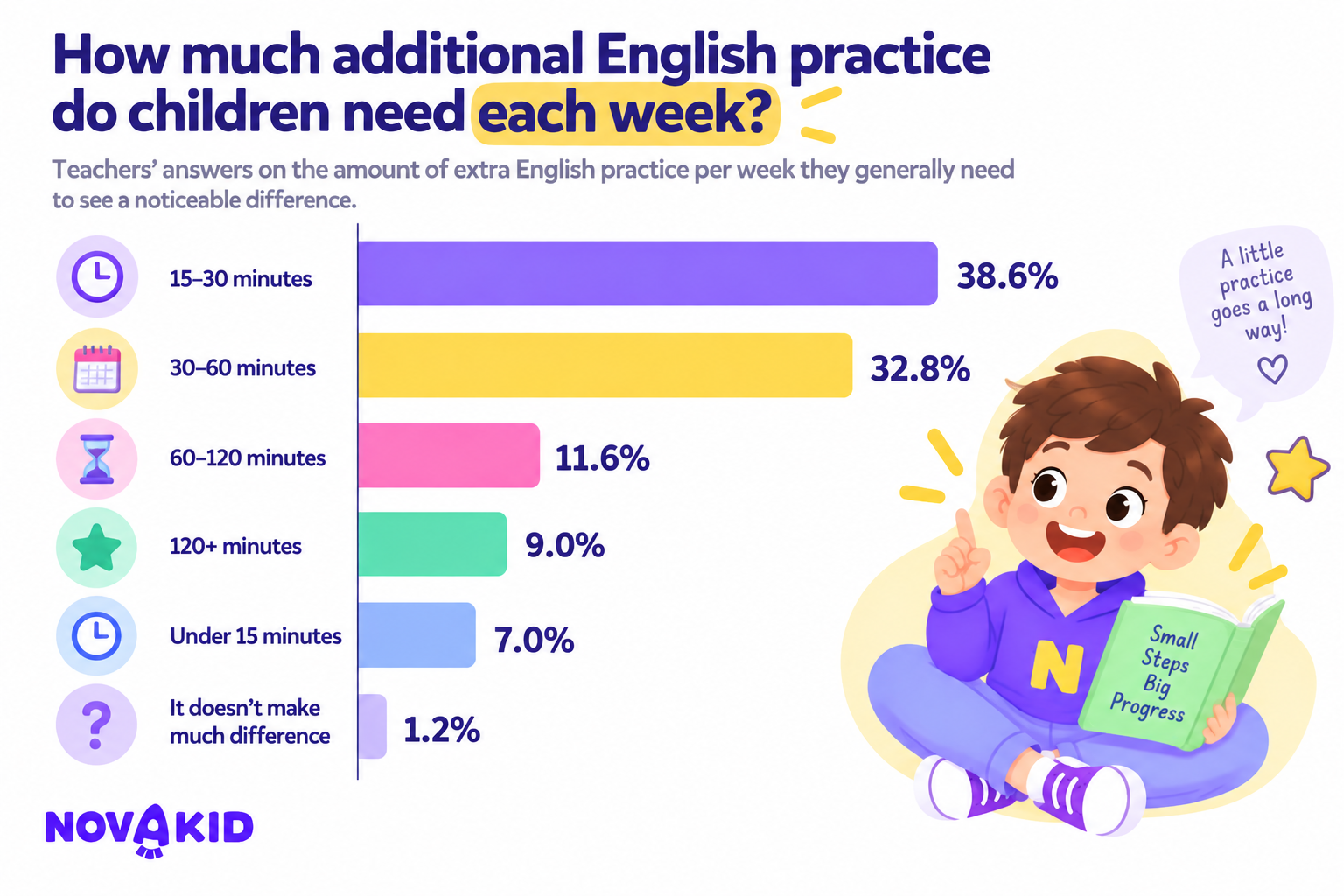
According to most teachers, 15–60 minutes of extra English practice per week is a good starting point. In fact, 38.6% recommended 15–30 minutes, while another 32.8% suggested 30–60 minutes.

Together, 71.4% of teachers recommended between 15 and 60 minutes per week. If you’re wondering how to fit extra English practice into your child’s routine, this can be a helpful guideline. There’s no one-size-fits-all answer, but the results suggest that practising English at home doesn’t have to take up a big part of the week.
Even just 10 minutes of extra English practice a day can be a simple way to make the language part of your child’s routine. You could read a short story together, play a game or chat about something they enjoy. Small moments like these give children more opportunities to hear and use English regularly.
What matters, then, isn’t just how much extra time children spend practising English, but how they use that time. For children, extra practice shouldn’t feel like another homework assignment. Instead, English can become a natural and enjoyable part of everyday life.
Sharing these moments with your child can make a difference, too. When learning is connected to positive emotions and time spent together, children can feel more relaxed and motivated to participate. The goal isn’t to turn every family activity into an English lesson, but to help your child discover that using English can be fun.
And remember, there’s no need to push it. If your child gets tired, loses interest or simply doesn’t feel like practising, just stop and try again another day. Insisting when they’re no longer enjoying the activity can make English feel like a chore, which is the opposite of what you want. Keep English practice short, positive and pressure-free, so your child can enjoy the language and have a positive experience.

If children only use English during their lessons, they have fewer opportunities to get familiar with the language. Practising at home helps them build on what they learn in class. It also shows them that English isn’t just a school subject but a tool they can use to play, have fun and communicate.
But what can you do to help your child practise without turning it into homework? We asked our English teachers which activities they find most useful for helping children improve their English at home. Here’s what they said.
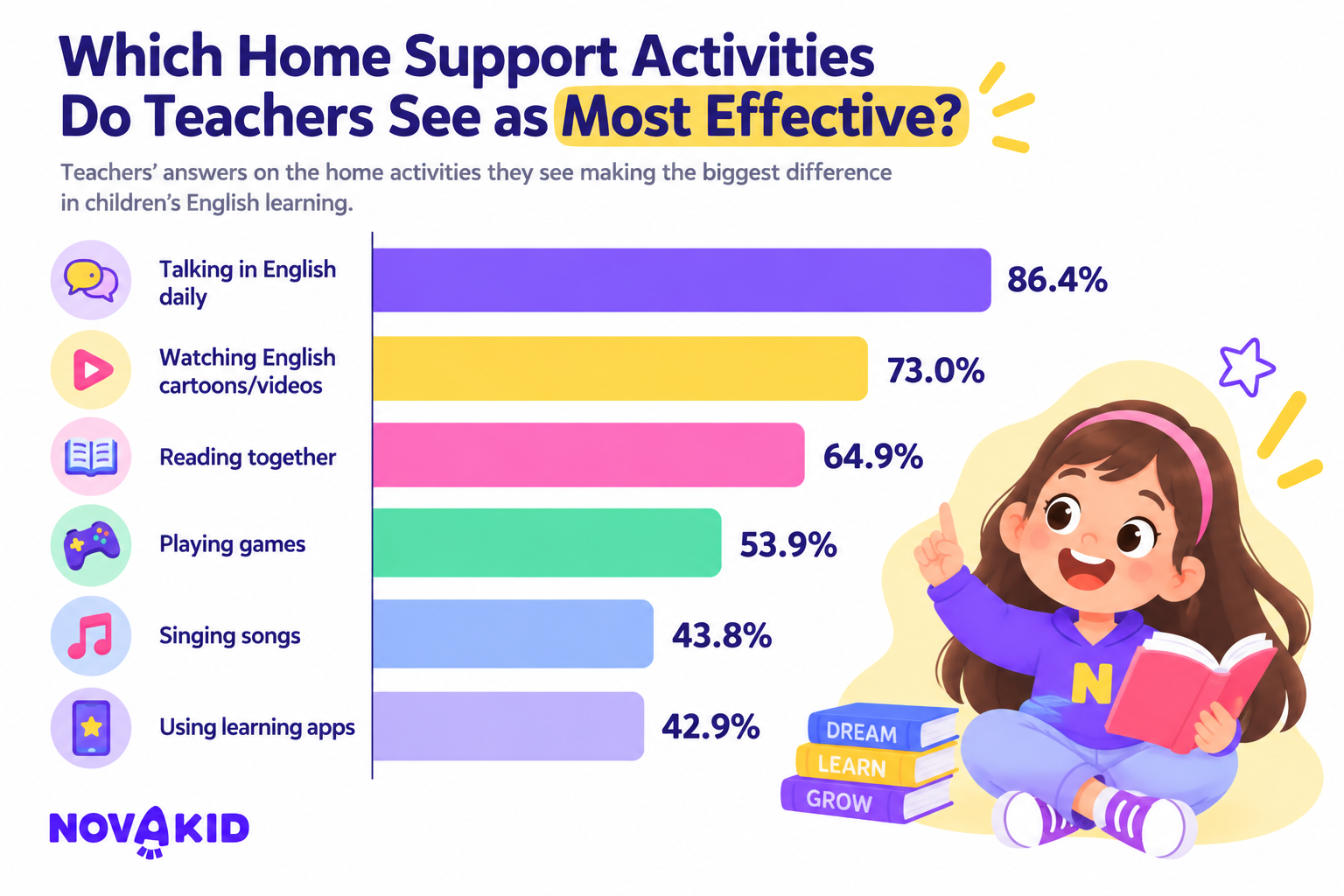
Talking in English every day came out on top, selected by 86.4% of teachers. Watching cartoons and videos in English was the second most popular answer, followed by reading together.
The good news is that these activities can fit naturally into family life. You don’t need to plan a lesson or correct every mistake. You could talk about a favourite toy, watch a short cartoon together or read a story before bed. The aim is to give your child more chances to hear and use English in an enjoyable, relaxed way.
Here are some resources and simple ideas to help you bring more English into your child’s everyday life:
If you’d like more ideas for helping your child make progress in English, watch our video on practical tips you can try at home to help your child speak English.
How to Help Your Child Make Faster Progress in English
According to Novakid teachers, helping your child improve their English doesn’t mean adding hours of study to an already busy week. The most important thing is to make English feel useful and enjoyable, and not something they only do for school. Talking, playing, reading and watching stories together can all help create positive experiences with the language.
At Novakid, children learn through individual online lessons with qualified English teachers, using engaging activities to make learning fun. Would you like your child to experience it for themselves? Book a free trial English lesson with Novakid and see how enjoyable learning English can be.


According to a survey of 347 Novakid English teachers, 71.4% recommend 15–60 minutes of extra English practice per week. Every child is different, but even short, regular activities can help make English part of everyday life.
You can make English part of your daily routine through simple activities such as talking together, reading stories, playing games, singing songs or watching cartoons in English. The key is to choose activities your child enjoys so that practice feels fun rather than like homework.
According to a Novakid teacher survey, talking in English every day was the most popular choice, selected by 86.4% of teachers. Watching cartoons or videos in English and reading together were also highly recommended activities.
Regular exposure can help children become more familiar with English, but practice shouldn’t feel like a chore. Short, enjoyable activities are a good way to start. If your child gets tired or loses interest, it’s better to stop and try again another day.
This Novakid article reveals why some children learn English faster than others — from personalised attention, to confidence, consistency, and cognitive style.

Discover 10 techniques to reduce nervousness when kids speak English, based on insights from 347 Novakid English teachers and research on language anxiety.
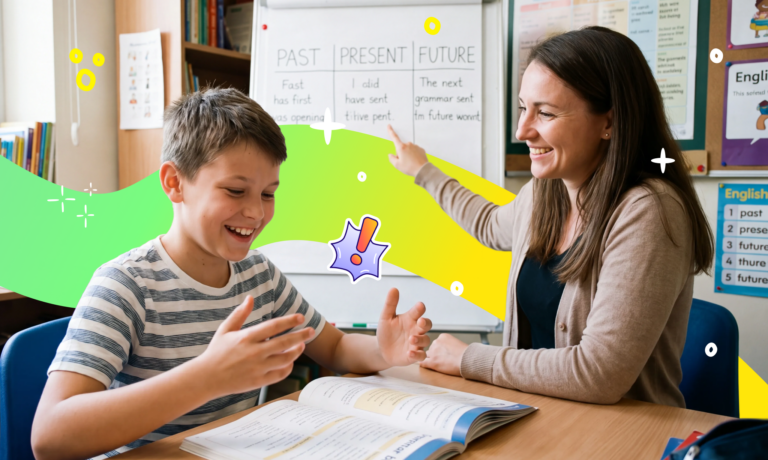
Discover insights from 347 Novakid teachers on how and why trying to help kids with their English can backfire and what actually works.

How to help your child use AI to practice speaking when learning English and what mistakes to avoid.
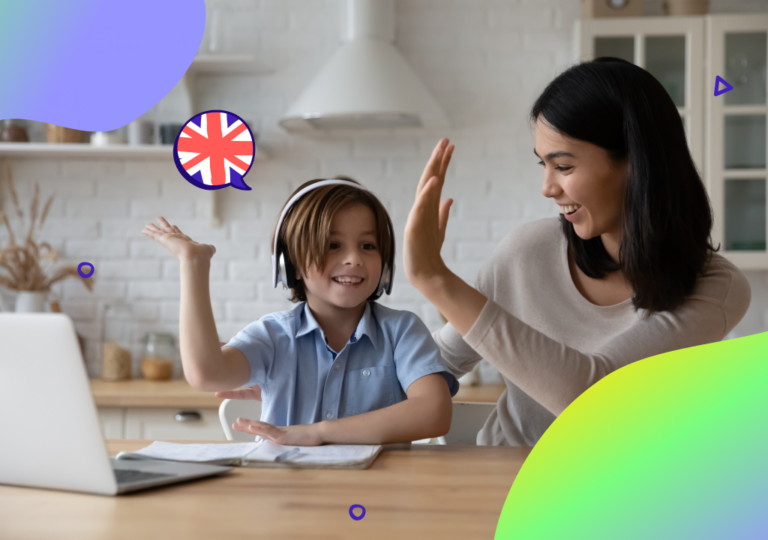
Is AI good or bad for school? NovaKid teachers share the pros and cons of AI in homework and how kids can use it the right way.
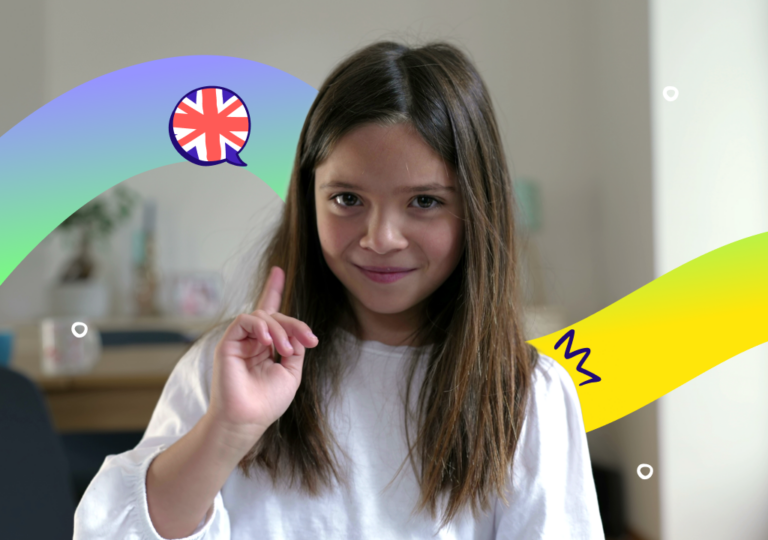
A survey of over 130 English teachers reveals why English classes still matter for kids in the age of AI.
We and our partners use cookies to improve your experience, personalize content and ads, and analyze traffic. By clicking 'Accept all', you agree to our use of cookies in accordance with the Cookie Policy.
You can personalize your choices by clicking on 'Cookie settings'.
We use four types of cookies on our website. You can learn more about cookies and how we use them here: Cookie Policy
Strictly necessary
Advertising
Analytics
Personalization