
A lack of confidence may slow down children’s learning progress. In this article a Novakid teacher shares seven tips on how to boost confidence while learning English - from building a positive mindset to to creating a language environment.


Discover insights from 347 Novakid teachers on how and why trying to help kids with their English can backfire and what actually works.
Read moreA lack of confidence may slow down children’s learning progress. In this article a Novakid teacher shares seven tips on how to boost confidence while learning English - from building a positive mindset to to creating a language environment.

Sign up for a trial English lesson at Novakid

Many parents believe that learning the English alphabet with their children is a boring and tedious activity. And this is true if you try to remember English sounds and letters using it printed on a piece of paper and accompanied with English transcription, or even if the native language transcription is written next to the English alphabet.

Dixit is a card game, designed in 2008 by a French doctor, Jean Louis Roubira, who worked with young patients experiencing difficulties both inside and outside of their school environment.
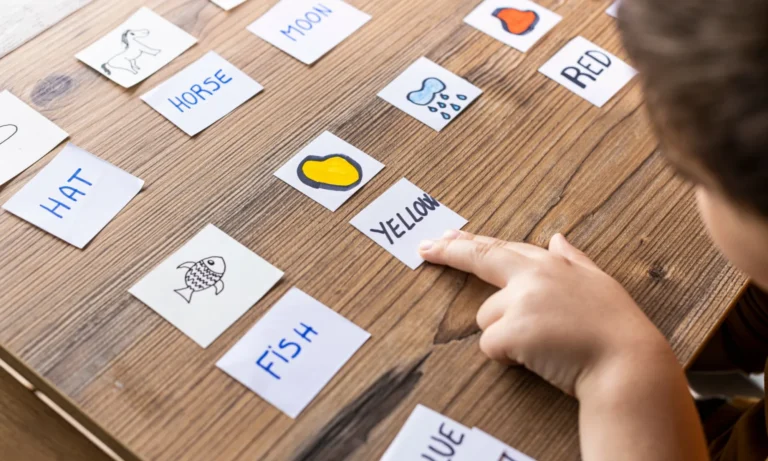
Help a child learn English vocabulary words. Learn new words effectively. Memorize English new vocabulary and find effective ways to teach your child with Novakid.

Discover how English songs, cartoons, and games help children learn faster. Explore fun and effective ways of learning English for children through play, music, and interaction.

Is there a best age to learn conversational English? See what Novakid teachers said and what research reveals about age, exposure and children’s progress.

How does speaking English help children build self-confidence? 347 teachers share what works, plus the benefits of knowing a second language beyond grades.

Explore an English learning formula through a survey of 300+ Novakid teachers and original studies on language and memory that might answer the question “Is English an easy language to learn?”.

How to help your child use AI to practice speaking when learning English and what mistakes to avoid.

Discover the right and wrong ways to teach children English, with practical tips to build confidence, improve language skills, and make learning fun.

Insights from English teachers on children’s speaking confidence, vocabulary retention, home practice, AI and the role parents play in language learning.
We and our partners use cookies to improve your experience, personalize content and ads, and analyze traffic. By clicking 'Accept all', you agree to our use of cookies in accordance with the Cookie Policy.
You can personalize your choices by clicking on 'Cookie settings'.
We use four types of cookies on our website. You can learn more about cookies and how we use them here: Cookie Policy
Strictly necessary
Advertising
Analytics
Personalization