
Many parents want to learn English with their kid, teaching the kid on their own at home. It is really great when a parent can proudly say that they taught their kid to speak English on their own!

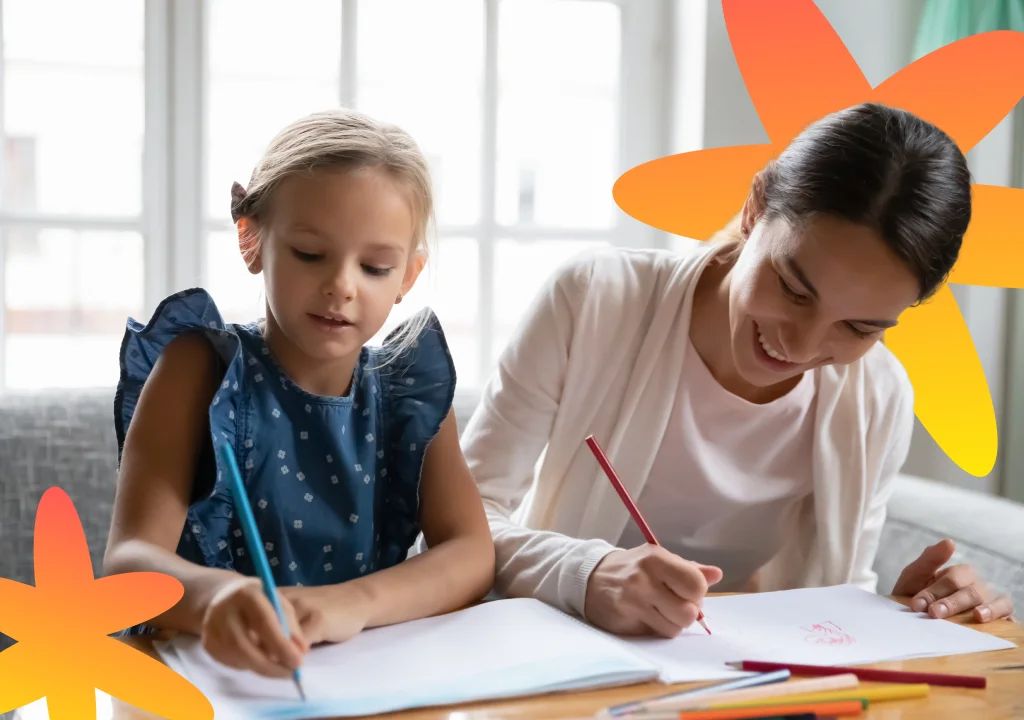
A survey among hundreds of English teachers, run by Novakid, reveal top techniques on how kids can practice English at home to improve their language skills.
Read more
Many parents want to learn English with their kid, teaching the kid on their own at home. It is really great when a parent can proudly say that they taught their kid to speak English on their own!

Sign up for a trial English lesson at Novakid

Unlock the mystery of English articles! Learn the nuances of definite, indefinite, and zero articles, along with tips to navigate their usage. Mastering articles is essential for fluent English communication—discover how!

Does your child hate learning English? Discover research-backed strategies to overcome learning resistance, motivate reluctant learners, and make English fun again.

What child doesn’t love playing video games? Kids are ready to play videogames whenever and wherever they are, nothing compared to their parents who grew up with a very different reality.

Correct pronunciation is as important as vocabulary and grammar when learning English. However, children often need assistance to improve their pronunciation. This is where Novakid can play a big role in your child’s English development.
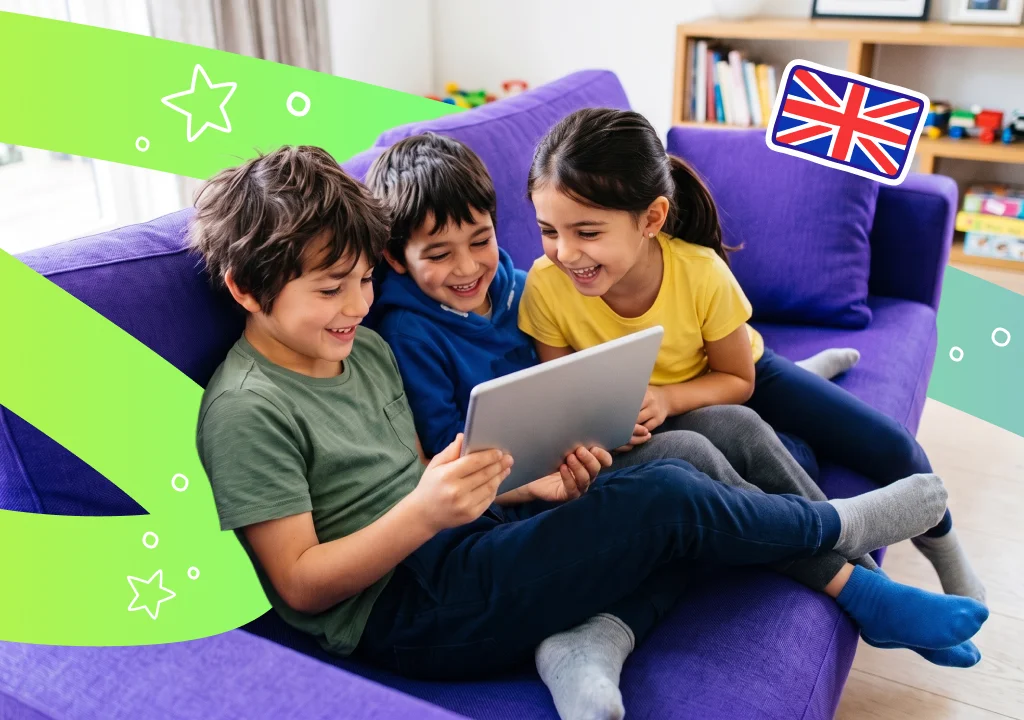
Based on a survey of 347 Novakid teachers, discover 5 key questions to ask before choosing an English course for your child. From speaking practice and confidence-building to AI tools and more.
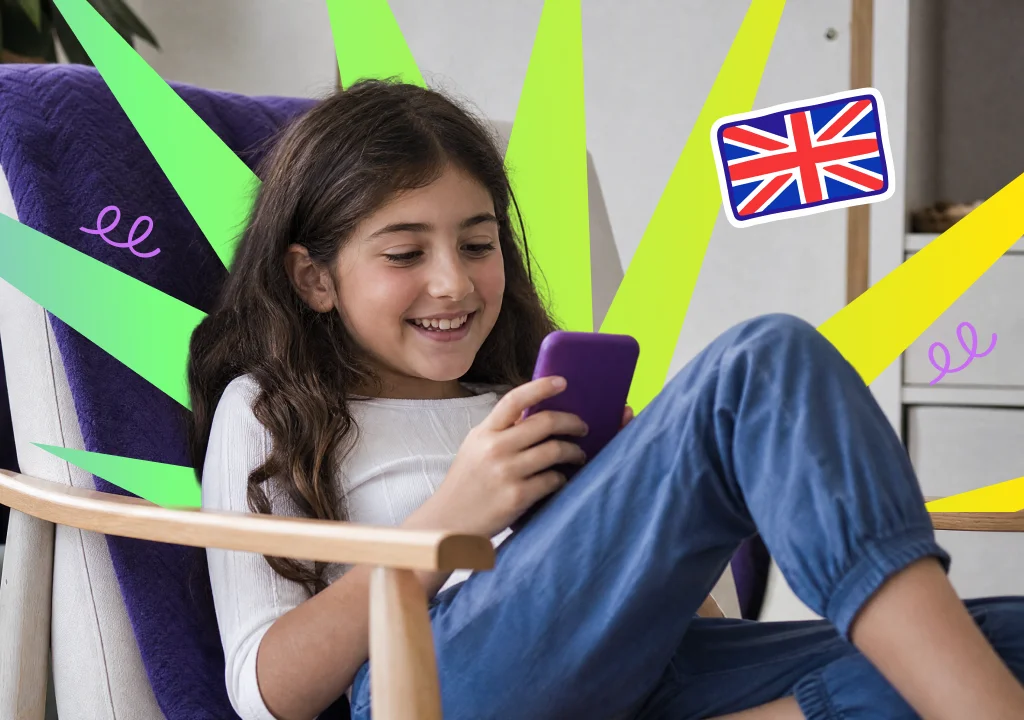
Discover how much extra English practice children really need, according to a survey of over 300 English teachers- And fun ways to practise at home.

Are You Overcorrecting Your Child’s English? 5 Dos and Don’ts from 347 Teachers

Not all screen time is equal. Discover the benefits and risks of screen time for kids, healthy limits by age, and how to make screen use more educational.

Discover insights from 347 Novakid teachers on how and why trying to help kids with their English can backfire and what actually works.
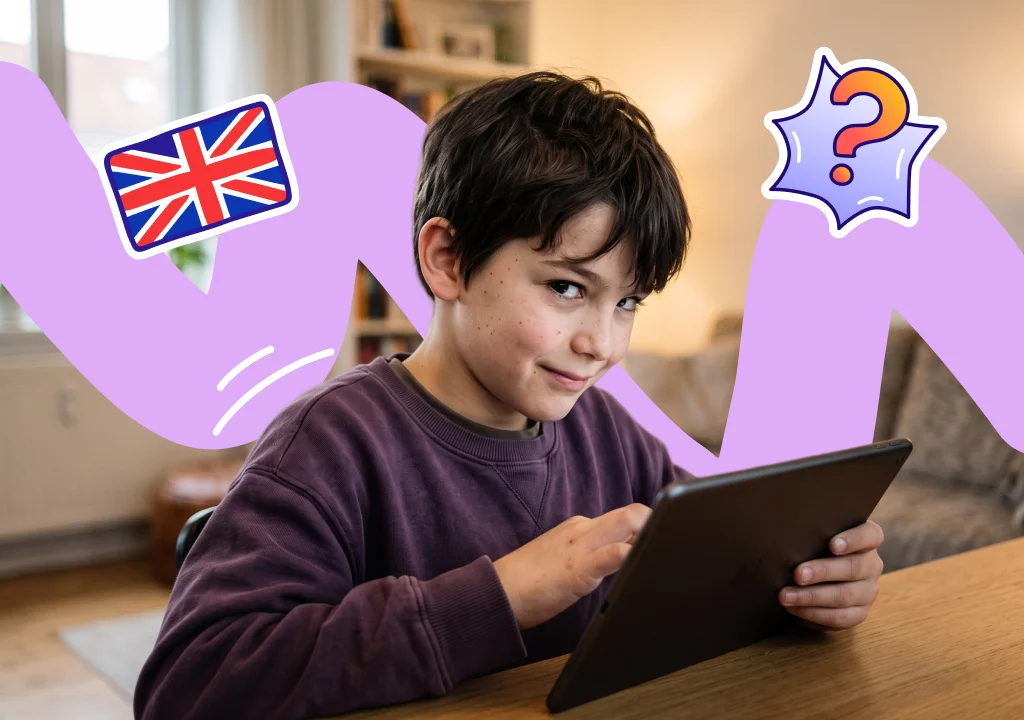
Is there a best age to learn conversational English? See what Novakid teachers said and what research reveals about age, exposure and children’s progress.
We and our partners use cookies to improve your experience, personalize content and ads, and analyze traffic. By clicking 'Accept all', you agree to our use of cookies in accordance with the Cookie Policy.
You can personalize your choices by clicking on 'Cookie settings'.
We use four types of cookies on our website. You can learn more about cookies and how we use them here: Cookie Policy
Strictly necessary
Advertising
Analytics
Personalization